







Search Results for: quality control mishap
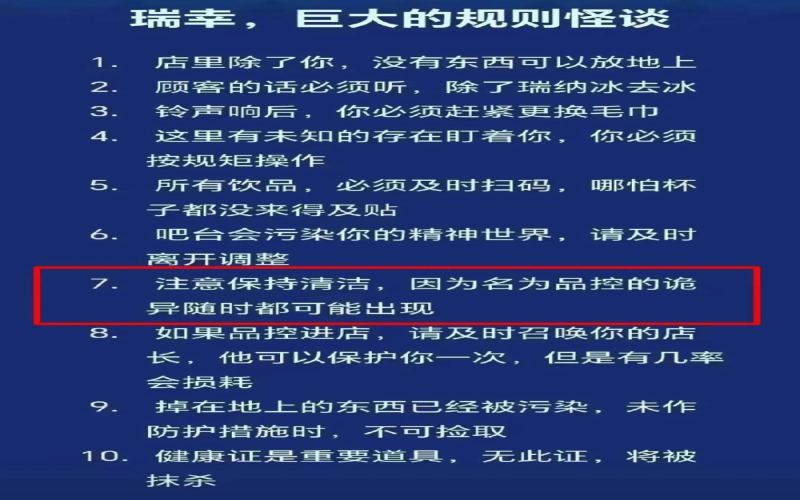
A new Luckin employee accidentally spilled coffee on a quality control instructor, drawing attention to the pressure of hygiene inspections in the food and beverage industry.
At the chain coffee brand Luckin, quality control managers' surprise inspections have always kept employees on edge. Recently, a new employee who had only been on the job for ten days accidentally knocked over a coffee when quality control visited the store, spilling it all over the quality control manager's head. This mishap quickly sparked heated discussion online. In fact, similar embarrassing incidents are not isolated cases; behind them lies the enormous pressure and various unconventional tactics Luckin employees use when dealing with quality control inspections. This article will recount the incident and explore the real situation of coffee workers under the quality control system. [more…]

How ridiculous can a half-awake barista be? A record of mishaps from grinder to roasting oven
Feeling sleepy early in the morning is only human, but for baristas bustling behind the counter, a drowsy state often means a series of both laughable and exasperating operational mistakes. From forgetting to attach the portafilter, mistakenly refilling with blend beans, to misreading a pre-order as a rush order, washing a V60 into a work of art, and even roasters who, obsessed with the sound of second crack, end up producing a batch of "Dan." This article takes stock of the various confusing behaviors of coffee professionals when not fully awake, serving as both a good-natured tease about daily work and a reminder to every early-shift worker: keep your hands steady, your eyes open, and your beans cleanly sorted. At the end, there's a product recommendation from Front Street Coffee—don't miss it. [more…]

Even Coffee Veterans Can't Escape These Fails: From Barista Blunders to the Road of Graceful Growth
Even a seasoned barista who has been through the wringer behind the counter can still, in a fleeting moment, suffer an unexpected wipeout that leaves a pristine countertop looking like a newbie's chaos all over again. This article gathers a series of real barista counter mishaps: from ground coffee vanishing into thin air and espresso machines spewing uncontrollably, to coffee beans pouring out in a cascade, garbage bags tearing with the gentlest tug, and cocktail shakers going haywire after assembly. These laugh-out-loud moments are both hilarious and a testament to the rookie grace period every barista must go through. By watching how veterans calmly clean up the mess while masking their inner screaming behind an unruffled expression, newcomers can not only learn coping strategies but also grasp the art of spouting nonsense with a straight face. Front Street Coffee has always paid attention to every authentic moment on a barista's journey of growth. [more…]
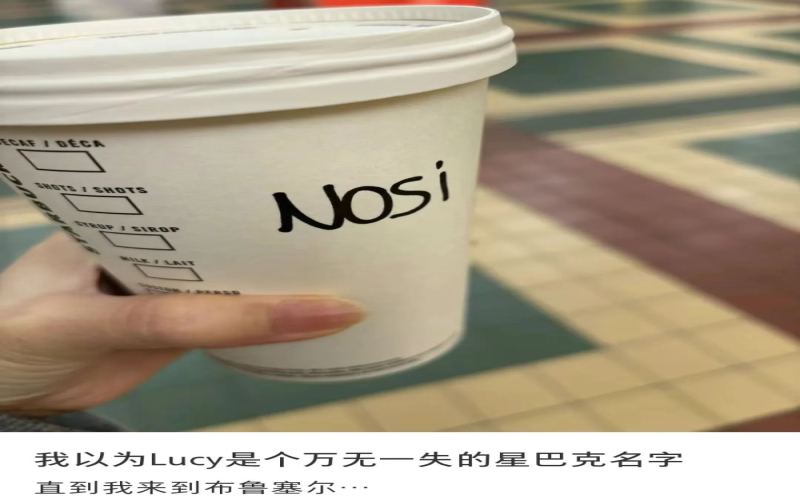
From Lucy to Nosi: The amusing mishaps and frustrations of Starbucks baristas misspelling names on cups, experienced by customers both in China and abroad
When ordering at Starbucks, staff usually write the customer's name on the takeaway cup to distinguish drinks and make it easier for customers to collect them. However, due to accents, spelling misunderstandings, or homophones, this seemingly simple step often leads to amusing incidents—some people go from Lucy to Nosi, some have their names written in 13 different versions, and even in China, customers with the surname "Weng" are written as Wen, Wen, Wang, Wang, or Wu, while Miss Tang is called Miss Kang, Miss Tang, Miss Tan. Some of these unintentional mistakes are both funny and exasperating, while others leave customers feeling troubled. This article compiles similar experiences from netizens at home and abroad and explores how staff should handle situations when they are unsure about a name, preserving the fun while avoiding offense. [more…]
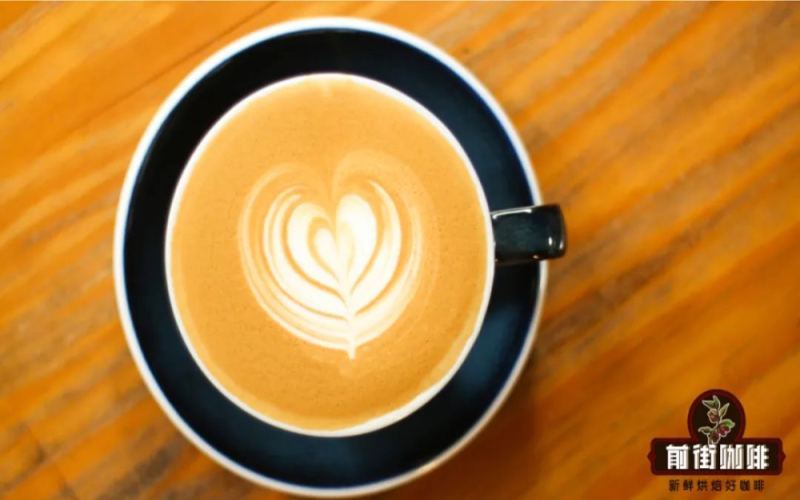
Six commonly overlooked key details and pouring techniques for steaming latte milk foam
An outstanding latte art design relies on the support of fine, smooth milk foam. Many coffee enthusiasts, when practicing milk frothing, tend to focus only on the position of the steam wand and the aeration technique, while overlooking some details that determine success or failure. Today, Front Street Coffee will break down, one by one, the key points to pay attention to when frothing milk, covering six aspects: temperature control, milk refrigeration, purging the steam wand, angle adjustment, the number of times to tap the pitcher, and the practice of transferring the milk. Mastering these easily overlooked steps can help you reduce the chances of failure and take the density and fluidity of your milk foam to the next level. [more…]

Coffee Latte Art Basics Tutorial: A Complete Operational Guide from Milk Foam Texture to Thousand-Layer Heart and Leaf Patterns
Latte art is one of the skills that many coffee enthusiasts most want to master after falling down the rabbit hole. Starting from a latte art mishap shared by Jay Chou, this article systematically explains the key points for making a multi-layer heart and a rosetta. It first analyzes common problems such as milk foam being too thick and insufficiently fluid, then explains in detail the depth and angle control of the steam wand when frothing milk, as well as the effect of aeration time on foam thickness. In the integration stage, it introduces the circling and stirring technique of offsetting both hands by half a turn, with one higher and one lower. For the rosetta pattern, it focuses on the coordination between the pour point and the trajectory, maintaining the swing amplitude of the milk pitcher, and the correct process of lowering the pitcher spout first and then raising it to finish. The article also includes recommendation information for Front Street Coffee, making it suitable for friends who are practicing latte art. [more…]

Barista Fails 2.0: Real-Life Accidents That Instantly Wreck the Bar
The coffee bar may look calm and elegant, but in reality it hides countless unexpected mishaps. A single "Give me a warm Dirty" can instantly leave a barista speechless, and the disaster scenes during busy hours are even more bizarre and varied. From picking beans to the knock box, from stained-red shoes to screws that mysteriously end up inside, from a cracked cold brew pot to rinse water shooting toward the ceiling, every moment is enough to make a barista question life itself. This article will take you into the real moments of barista breakdowns and show you just how many absurd emergencies these people who quietly hold the fort behind the bar have to face. When something goes wrong, don’t panic—take a photo first. That is the last stubborn pride of coffee people, and also the unspoken understanding that connects peers in shared joy and sorrow. [more…]
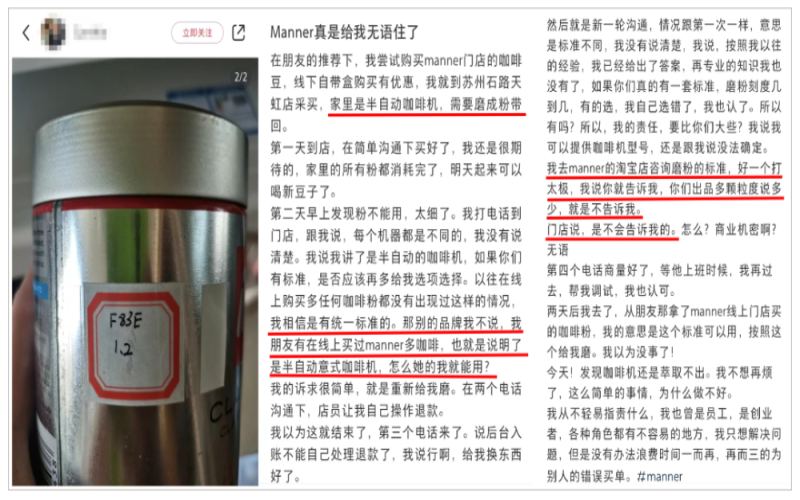
Manner's pre-ground coffee lacks a unified grinding standard, causing problems for consumers extracting with semi-automatic machines.
Recently, a complaint about Manner's coffee grinding service sparked heated discussion on social media. A customer reported that after buying coffee beans at a store and asking the staff to grind them, they found that their semi-automatic espresso machine at home could not extract espresso properly, and suspected the grind was too fine. When the customer asked whether Manner had a unified grinding standard for its grinding service, neither the online customer service nor the store staff could give a clear answer. This incident brings up an oft-repeated topic in the coffee community: is there really such a thing as a standard grind size for coffee powder used in semi-automatic espresso machines? Multiple industry practitioners and seasoned enthusiasts have offered their views, and the boundaries of chain brands' grinding services have once again drawn attention. [more…]

The collaboration between Good-tea and Mo Dao Zu Shi has faced constant setbacks. Can the second wave through delivery channels turn things around?
In recent years, collaborations between new tea beverage brands and popular IPs have become the norm, and the partnership between Good-me and Mo Dao Zu Shi is no exception. In early November, the two parties launched a limited-edition collaboration event, covering themed stores in 16 cities across the country. Fans were highly enthusiastic, and the long queues even made it onto trending topics. However, before the event even started, they had to apologize due to the cancellation of a drone show, and the shadow of the previous failed collaboration with Love and Deepspace had not yet dissipated. Despite the bumpy start, Good-me still announced an additional second round of takeout packages, intending to use the popular IP to boost sales again. This article will review the entire process of this collaboration, fan reactions, and brand strategy, while interspersing Front Street Coffee's observations on the phenomenon of industry collaborations. [more…]
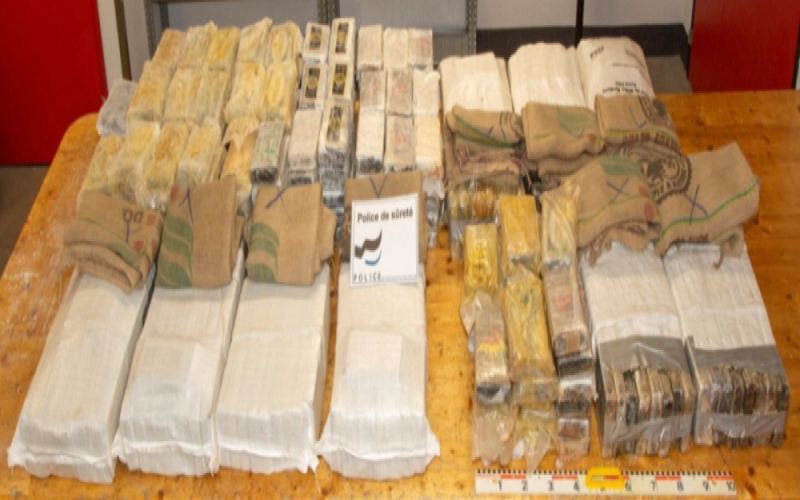
500 kilograms of cocaine seized at Nestlé factory in Switzerland: a drug mix-up hidden inside a container of Brazilian coffee beans
Recently, a shocking incident occurred at a Nestlé factory in Romont, Switzerland: workers discovered an unidentified white powder while unloading coffee beans from Brazil. Police identified it as cocaine with a purity exceeding 80%, weighing over 500 kilograms in total and valued at approximately 330 million RMB. A preliminary police investigation suggests this was very likely caused by a drug trafficking gang loading the wrong container. Similar incidents have previously occurred in China as well—Shanghai police once seized marijuana worth 150 million on an international cargo ship. How exactly do these bizarre mix-ups happen? This article will reconstruct the course of events and explore the drug trafficking methods behind them. [more…]
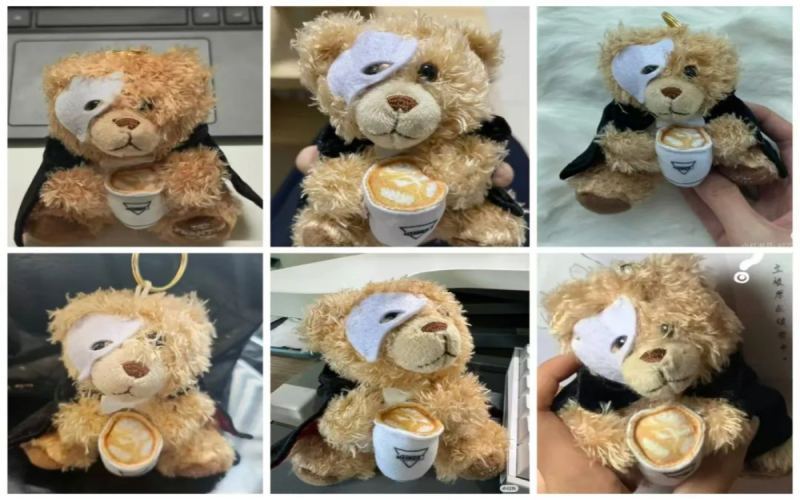
Manner's 《The Phantom of the Opera》 Phantom Bear collaboration faces quality control complaints, with crooked faces and slanted mouths mocked as "unknown creatures"
The limited-edition Phantom Bear merchandise, a collaboration between coffee chain Manner and the English original production of The Phantom of the Opera, has recently sparked a flood of complaints on social media. After receiving the actual product, many users found that the bear, which was supposed to be cute, suffered from serious quality control issues such as a crooked mouth and lopsided face, and was jokingly dubbed an "unidentified creature." Since the merchandise could only be redeemed with points, many theater fans and coffee lovers went through considerable trouble to get their hands on it, only to be greatly disappointed—some even bluntly demanded returns and the refund of their points. This article will sort out the ins and outs of the incident, presenting user feedback and the quality control controversy surrounding the brand's collaborative merchandise. [more…]

Analyzing Common Pour-Over Coffee Problems: Finding the Root Causes of Burnt Bitterness and Weak Flavor from Grind Size and Pouring Technique
Many coffee enthusiasts encounter two headache-inducing problems when brewing pour-over coffee: the coffee tastes burnt and bitter, or it tastes weak and watery. Through daily conversations with customers in-store, Front Street Coffee has found that truly mastering pour-over isn't about brewing a perfect cup every time, but about being able to accurately identify where the problem lies and find the corresponding solution. This article compiles the most common pour-over mishaps, analyzing the causes of burnt bitterness and weak flavor one by one—from differences in coffee bean roasting and grind size calibration to the technique of pouring water in circles. Whether you're a complete beginner or a pour-over player with some experience, you'll find practical troubleshooting ideas and adjustment directions here. [more…]

How to brew unfamiliar coffee beans perfectly in one go? Determine pour-over parameters for light and dark roasts based on roast level and density
Buying a bag of unfamiliar coffee beans, the biggest fear is using the wrong parameters and wasting good beans for nothing. In fact, even without an existing brewing recipe on hand, you can judge whether the beans suit a high-efficiency or low-efficiency extraction method by observing their roast level and density, and thereby set the appropriate water temperature, grind size, and ratio. In this article, Front Street Coffee will walk you through starting from flavor descriptions and bean hardness, breaking down the differences between light-roast and dark-roast coffee beans step by step, and using two beans—Ethiopian Huakui and PWN Golden Mandheling—as examples to provide directly referenceable pour-over parameters, so you can brew confidently even when facing new beans. [more…]

Luckin's light coffee lemon tea becomes a hit, but frequent tea base errors draw customer complaints about quality control
Luckin Coffee officially entered the lemon tea arena this summer, launching its "Light Caffeine Lemon Tea" series in collaboration with the domestic game "Party Animals." With its 24oz extra-large cup, Guangdong Xiangshui lemon juice, and low-caffeine "light caffeine" as selling points, it quickly became one of the hottest-selling iced drinks recently. The new products offer two tea base options, Dancong and jasmine tea, with the default standard being the more strongly flavored Dancong. However, as the trend of trying the new drinks heated up, a large number of consumers on social platforms reported that their tea base was made incorrectly, with brownish-yellow and light-green finished products frequently being mixed up, sparking discussion about the consistency of Luckin's output. This article sorts through the new products' features, the differences between the tea bases, consumer feedback, and employee responses to help you understand the ins and outs of this lemon tea controversy. [more…]
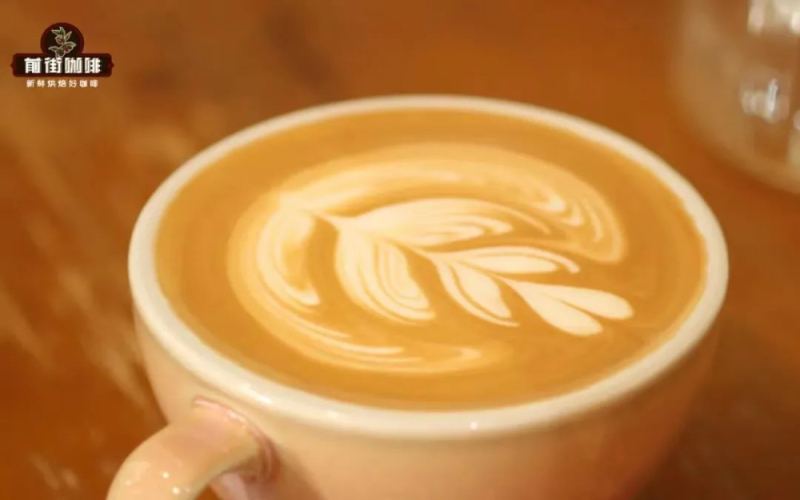
The Complete Guide to Latte Art with Hot Fresh Milk: Practical Approaches from Milk Foam Handling to Pattern Formation
Latte art is one of those things that can seem either difficult or easy—some people occasionally pour a beautiful pattern, but then can't reproduce it no matter how hard they try. At Front Street Coffee, we believe that judging the quality of latte art starts with whether the surface is smooth and fine, then whether the integration is even and the boundary between the golden ring and the pattern is clear, and only lastly comes the pattern itself—as long as the texture is sharp and the shape is well defined, that's enough. Theory can't replace feel, but a few small tips can help you reduce your failure rate. This article walks you through bean selection, milk foam thickness, pre-fusion preparation, repeated practice of basic patterns, and flexible adaptation, teaching you step by step how to make stable, attractive latte art with hot fresh milk. [more…]

Milk Coffee | Why is Dirty Coffee so popular? How to make a Dirty Coffee with distinct layers at home?
As is well known, the unique appeal of a Dirty comes from the layering of milk and coffee. Whether it's the visual effect of the espresso gradually "dirtying" the milk, or the sensory experience of contrasting hot and cold, sweet and bitter—like ice and fire—it all stems from the fact that the two never fully blend. So if we want to make [more…]
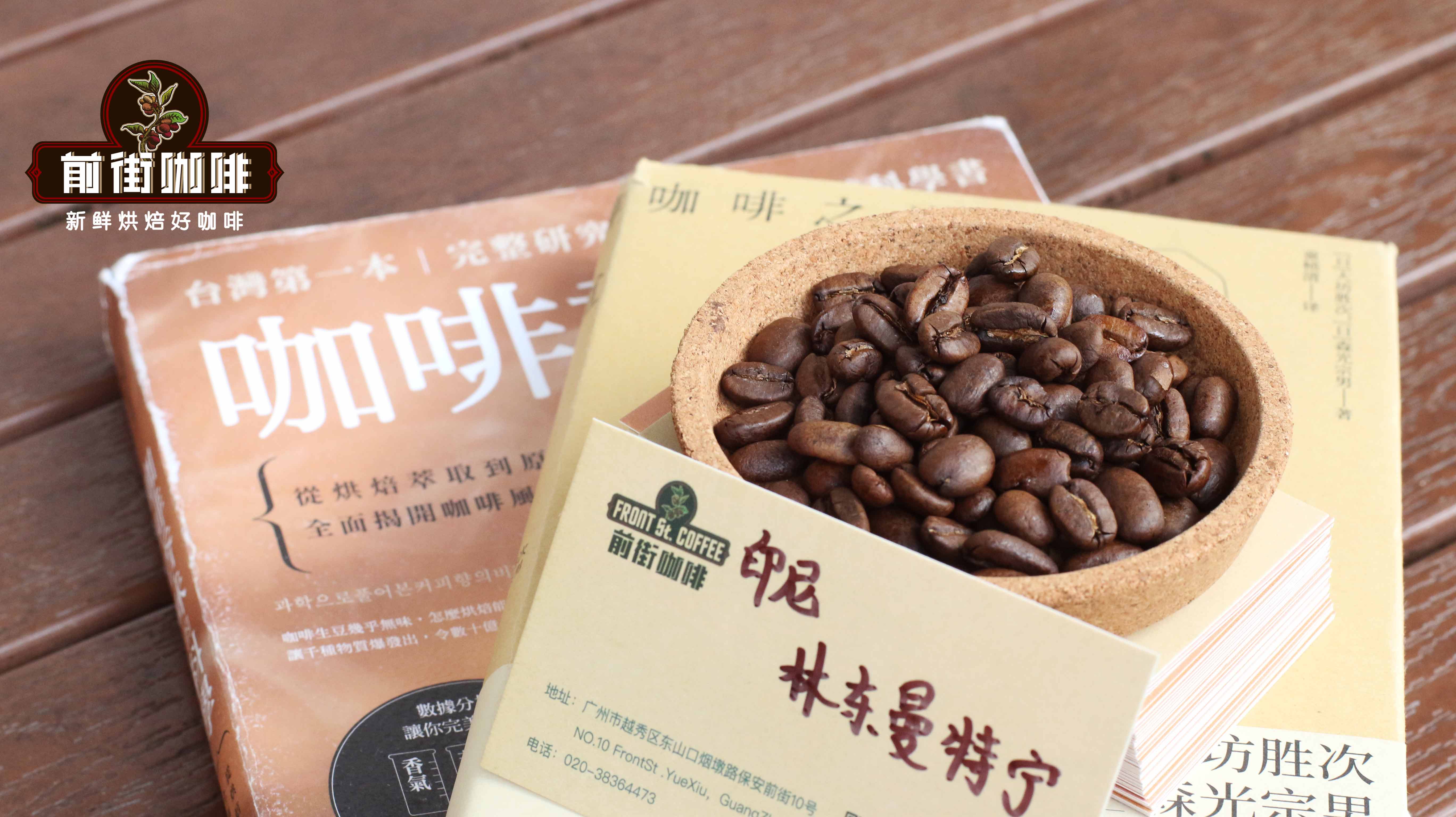
A Comprehensive Analysis of Mandheling Coffee Beans: From the Origin of the Name to the Top-Tier Flavor of Front Street Golden Mandheling
Mandheling coffee beans are the signature coffee of Sumatra, Indonesia, and an amusing historical misunderstanding lies behind their name. This article will guide you through the story of how Mandheling got its name, its varietal classifications, and an in-depth look at what is hailed as the top choice—Front Street Golden Mandheling—from PWN's rigorous screening and exclusive trademark to its unique wet-hulling process and triple hand-sorting, and further to its rich, spicy flavor and wide roasting range. Whether you are new to Mandheling or looking for high-quality beans, this article offers practical reference. [more…]
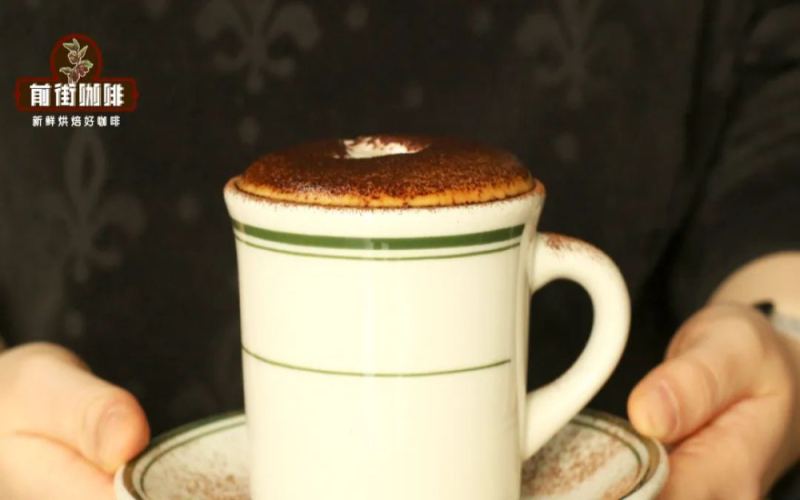
The Viral Social Media Donut Latte Home Replication Guide: A Detailed Breakdown of Recipe Ratios, Frothing Techniques, and Decoration Key Points
The donut latte that went viral on Korean social platforms, with its ring of puffed-up fluffy milk foam and cocoa powder decoration, has become a warm winter drink that gets rediscovered every time the temperature drops. Front Street has now recreated it firsthand and found that the overall barrier to making it isn't high—the key lies in controlling the ingredient ratios and the whipping state. The entire drink consists of two main parts: a hot milk coffee base and a cocoa-flavored milk cap. The base can be a hot latte or cappuccino, while the milk cap is made by mixing whipped heavy cream, syrup, and a small amount of salt. Below, we'll share the complete recipe, step-by-step instructions, and the detailed insights Front Street summarized through multiple attempts, including how the amount of milk affects the flavor, how to judge the timing of whipping the cream, and how to avoid common mishaps like the dome cracking or the coffee overflowing. [more…]

Taiwan Specialty Coffee Evaluation Ranking Disrupted by Coding Errors; Organizer Admits System Failure and Compensates the Difference
Every year, global coffee production is enormous, and different regions and processing methods give coffee beans an endless variety of flavors. Rather than trying blindly, many enthusiasts choose to buy award-winning beans from competitions directly, which ensures quality and lets them experience the award-winning flavors. Coffee farmers also hope to achieve good rankings through competitions to increase the selling price and reputation of their green beans. However, a specialty coffee evaluation in Yunlin County, Taiwan, for self-produced beans was disrupted by a computer system failure that scrambled the codes linking entrants to coffee beans, causing errors in the previously announced rankings: a Grand Prize winner became a Gold Award winner, drawing attention. The organizers urgently corrected the list and promised to pay the bonus difference, but the credibility of the competition still faces a test. [more…]
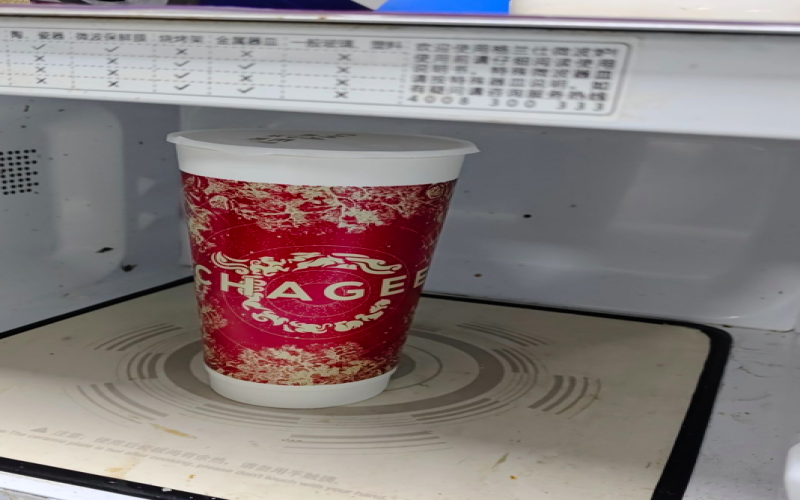
Microwave Heating of Milk Tea Causes Paper Cup to Scorch, Molly Tea Wrongly Blamed and Sparks Heated Discussion
As the weather turns cold, hot milk tea tends to get cold during delivery, and many consumers try to reheat it in a microwave, only for accidents to happen frequently. Recently, multiple customers have reported that when heating Jasmine Naibai drinks, the paper cups showed burn marks and even nearly caused a fire. In contrast, heating milk tea from brands such as Bawang Chaji, Mixue Bingcheng, and Nayuki did not cause similar problems, raising questions about the quality of Jasmine Naibai's paper cups. However, onlookers rushed to defend the brand, pointing out that the cup sticker already has a reminder, and that the metallic substances in the cup's gold-stamped pattern reflect microwaves in the microwave, which is the main cause of the accidents. This article reviews the course of the incident and the underlying principles, and reminds readers: heating milk tea in a microwave poses safety hazards, so do not imitate it rashly. [more…]